ProRep Leaf Litter Brick 500g – Bioactive Vivarium Substrate
ProRep Leaf Litter Brick 500g – Bioactive Vivarium Substrate
Couldn't load pickup availability
Product Information
Product Information
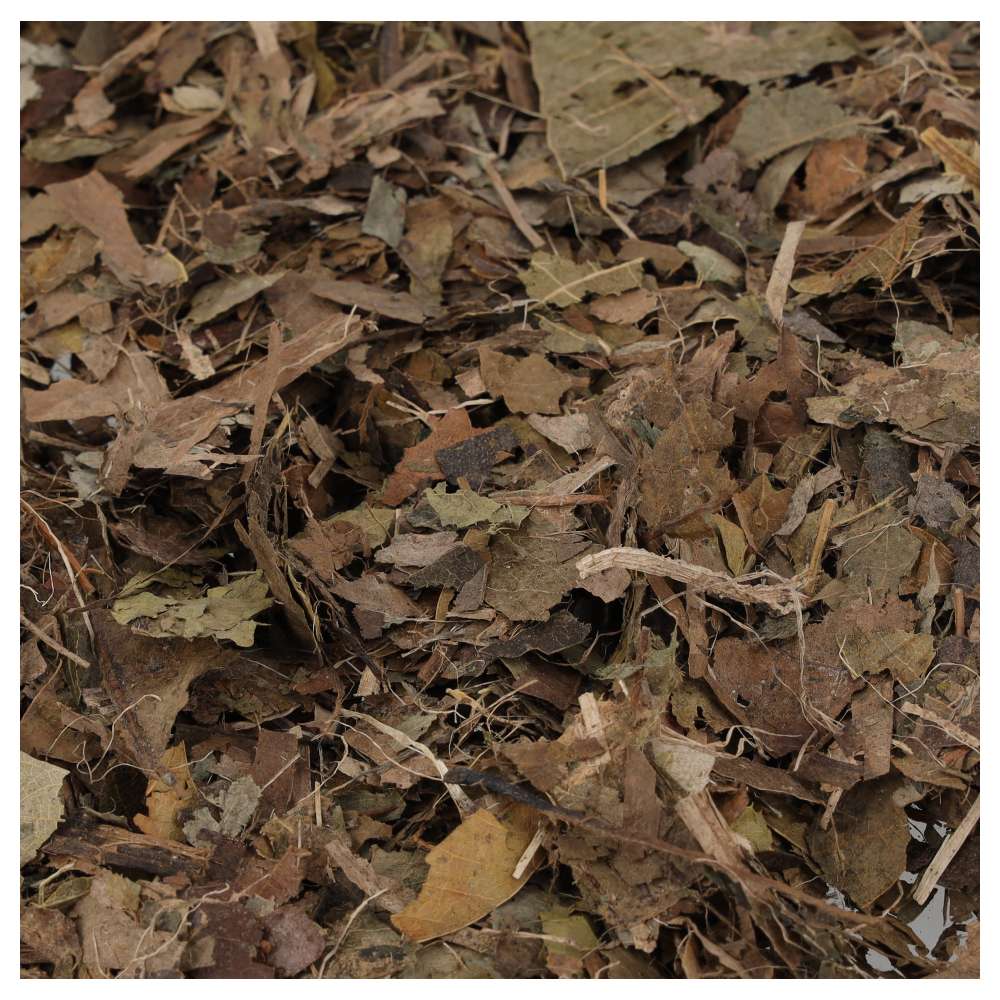
The PR Leaf Litter Brick is a compressed 500g block of broken leaf litter, designed to expand and layer into a vivarium substrate that closely replicates the forest floor. It is aimed at keepers building bioactive setups for reptiles, amphibians, or invertebrates where a functioning, self-sustaining ecosystem is the goal.
Why Leaf Litter Matters in a Bioactive Setup
In natural forest and jungle environments, fallen leaf matter accumulates into a rich, layered carpet that does far more than look naturalistic. It creates a microhabitat that shelters insects, amphibians, and small reptiles, offering cover from perceived threats and buffering against environmental extremes. Without this layer, a bioactive vivarium is missing one of its most ecologically significant components.
Supporting the Clean-Up Crew and Soil Life
Leaf litter is a primary food source and habitat for the detritivores that make bioactive setups function — springtails, woodlice, and millipedes all depend on decomposing organic matter. As the litter breaks down, it releases nutrients back into the substrate layer below, feeding plant roots and maintaining the microbial activity that keeps waste processing ticking over.
How to Use the Brick
Expand the compressed brick and distribute the broken leaf litter as a top layer over your existing soil-based substrate. For best results, combine with larger whole leaves and a loose organic base substrate to build the distinct layers characteristic of tropical and temperate forest floor habitats. This layered approach supports both the animals living above and the microfauna working below.
A straightforward addition to any bioactive build, the PR Leaf Litter Brick gives keepers a practical way to introduce one of the most ecologically important — and often overlooked — components of a naturalistic vivarium.
Delivery Information
Delivery Information
Share this product
ProRep Leaf Litter Brick 500g | Bioactive Vivarium Substrate
ProRep Leaf Litter Brick 500g – compressed leaf litter for bioactive vivariums. Supports springtails, woodlice & reptiles. Essential forest floor layer. UK reptile supplies.