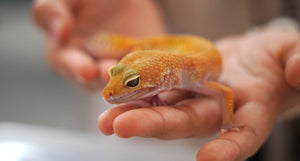
Why Ethics Matter in Reptile Keeping
Reptiles are often misunderstood, and sadly, not all sellers prioritise welfare. Ethical buying protects animals, supports responsible breeding, and ensures you receive a healthy pet.
Signs of Ethical Livestock Sellers
A responsible reptile retailer should provide:
• Health-checked animals
• Species-specific care sheets
• Feeding and habitat advice
• Transparency about sourcing
• Support after purchase
At Viperia, every animal is carefully acclimatised and supplied with expert guidance.
Red Flags to Watch Out For
Avoid sellers who:
• Can’t answer basic care questions
• Offer animals without documentation
• Ship reptiles carelessly
The Role of Proper Housing
Even ethically sourced reptiles can suffer in poor enclosures. Welfare doesn’t stop at purchase, it continues through:
• Correct vivarium size
• Proper UVB lighting
• Temperature control
• Clean, safe substrates
Building a Responsible Reptile Community
When keepers choose ethical suppliers, it:
• Improves breeding standards
• Reduces illegal wildlife trade
• Encourages better education and care
Final Thoughts
Buying a reptile is not just a transaction, it’s a responsibility. Ethical choices lead to healthier animals and more rewarding experiences for keepers.
Explore Viperia’s ethically sourced livestock and welfare-first enclosures to keep your reptiles thriving from day one.